TYPE | Residential Buildings | LOCATION | Henan |
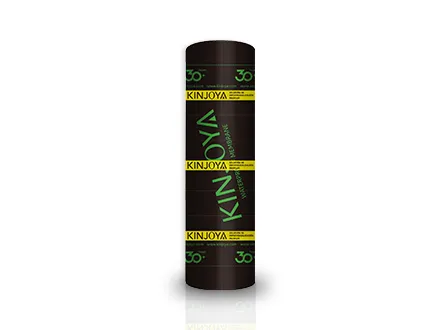
MATERIAL | KINJOYA FM PLAIN, KINJOYA PU SYSTERM | YEAR | 2021 |
AREA | 190000㎡ |
Background
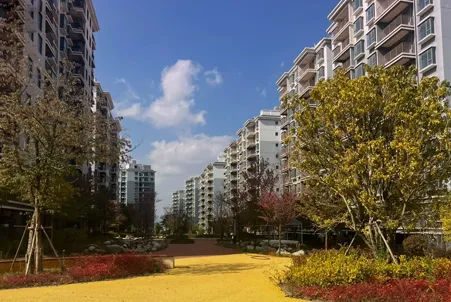
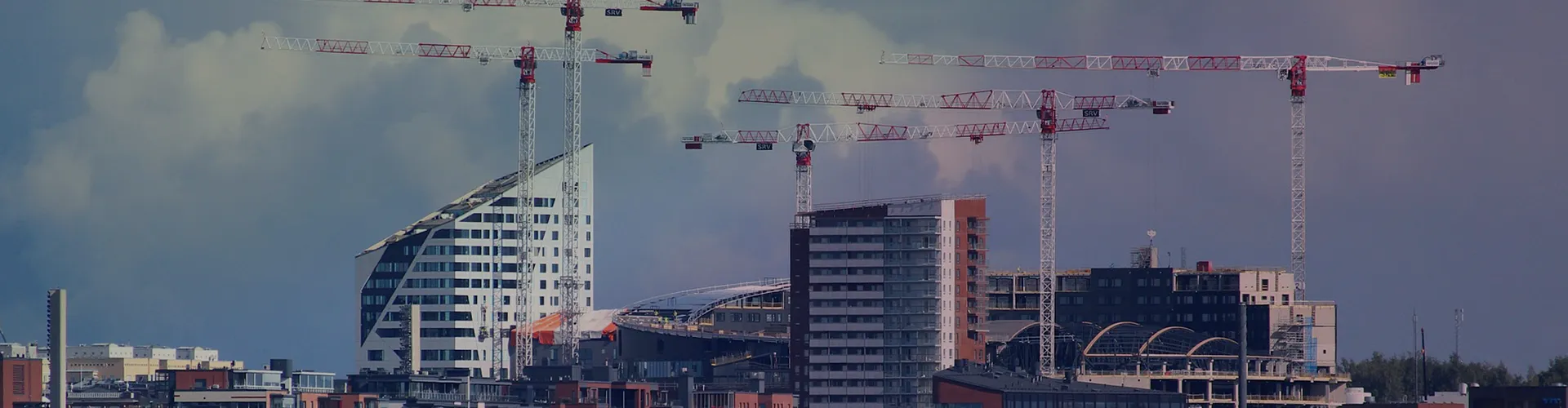
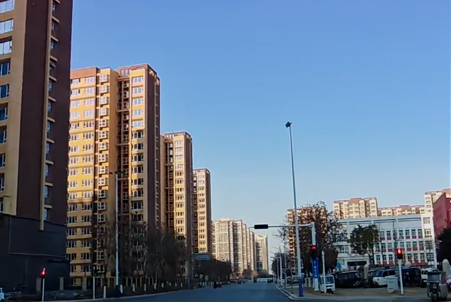
Zhongzhou New Town represents the largest housing construction project currently undertaken by China Railway First Group, with a total investment of 2.1 billion yuan and a total construction area exceeding 640,000 sqm (including about 150,000 sqm underground). It comprises 45 residential buildings, a kindergarten, and complete municipal facilities. Such a large-scale resettlement project demanded high standards for the waterproofing system. Complex underground structures, including large basements and civil defense garages, required long-term resistance to groundwater pressure. Shangqiu’s warm temperate monsoon climate, with rainy summers and cold winters, required materials with good resistance to water penetration, low temperatures, and cracking. As a key government livelihood project, waterproofing quality directly impacted residents’ living experience and the building’s lifespan.
Solution
The roof and basement primarily used KINJOYA FM PLAIN SBS waterproofing membrane, while interior areas used KINJOYA PU series waterproofing coating. Strategies were tailored to different zones: 1. Underground: Double-layer KINJOYA FM PLAIN SBS membrane with 500mm-wide additional layers at corners and expansion waterstops plus double-layer reinforcement at post-casting strips. 2. Roof: For flat, sloped, and terrace roofs, either a “double-layer (3+4mm) KINJOYA FM PLAIN SBS membrane” or a “coating + membrane” composite system was used. 3. Interior: Wet areas used KINJOYA PU series coating (moisture-curing, 1.5mm thick), applied in three coats. Pipe bases were triple-sealed. A 300mm radius enhancement was applied around floor drains, and the wall waterproofing extended 1800mm high. Key process steps were documented to ensure quality met design standards, creating a safe and durable living environment for the returning residents.
Outcomes
The project achieved zero structural leakage across the entire development, ensuring a safe and worry-free living environment for the resettled residents. Through systematic and scientific construction processes and focused research, a set of effective waterproofing management practices was developed. This model is highly replicable and valuable for large-scale renovation projects. It not only enhances the public’s perception of government-led livelihood projects but also elevates the quality standards for regional urban renewal, contributing to the overall quality improvement and sustainable development of urban construction.