TYPE | Transportation Infrastructure | LOCATION | Beijing |
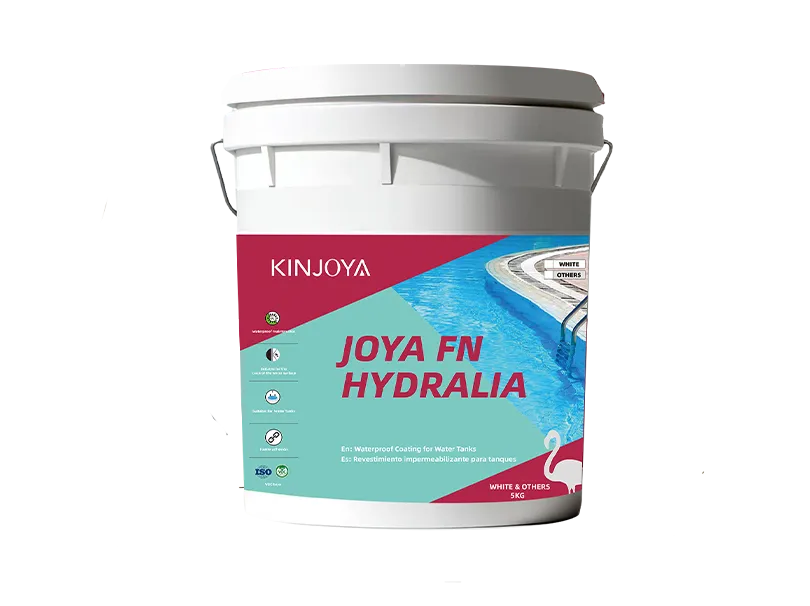
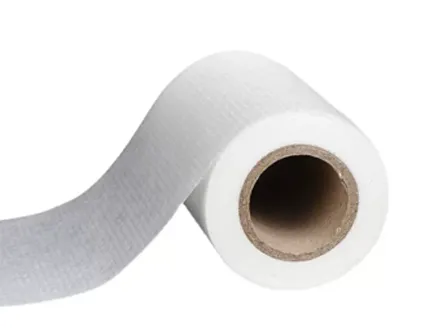
MATERIAL | KIN FLAGO DR, KINJOYA PU SYSTERM | YEAR | 2022 |
AREA | 180000㎡ |
Background
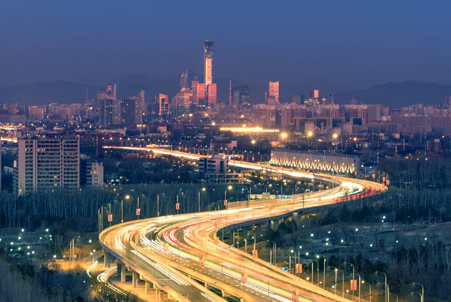
The Guangqu Road East Extension project, located in Tongzhou District, Beijing, serves as the third expressway connecting the city center with the administrative office area of the sub-center. Opened to traffic on January 20, 2021, it integrates a ground-level landscape avenue, an underground tunnel, and a utility corridor. Located in the core of the sub-center, the project faced high groundwater levels and complex geology. The section crossing the North Canal traversed a water-rich, thick sand layer, with fine sand strata 30-40 meters thick and abundant groundwater recharge. The deepest excavation reached 26 meters, dubbed “Beijing’s most difficult construction project” by industry experts. Additionally, the tunnel had to withstand up to 25 meters of water pressure where it passed under the North Canal, posing an extreme challenge to the structural waterproofing. Traditional methods risked water channeling between layers and could not meet the durability demands of a “100-year municipal project.”
Solution
The utility corridor section utilized the KIN FLAGO DR HDPE pre-applied waterproofing membrane. The adhesive layer on its underside bonds irreversibly with the fresh concrete, activated by hydration heat, creating a “skin-like” monolithic structure. This effectively prevents groundwater from channeling between the membrane and the structural layer. The membrane’s puncture-resistant top layer withstands mechanical damage during construction and later utility installation, adapting to minor structural movements from temperature changes and settlement. At critical details like movement joints, internal/external corners, and penetrations, the KINJOYA PU two-component polyurethane coating was applied. This reactive, curing coating forms a high-elasticity rubber-like film with over 450% elongation, encapsulating complex geometries and complementing the HDPE membrane. In collapsible loess areas, the substrate was rigorously prepared before membrane installation, including leveling protrusions, repairing honeycomb surfaces, and applying a primer.
Outcomes
Under strict testing conditions simulating the 25-meter water head, the tunnel demonstrated exceptional waterproofing performance with no leaks, achieving industry-leading results. The carefully designed system boasts a 50-year service life, meeting the high standards required for a “100-year municipal project.” Since opening, travel time from the city center to the sub-center has been reduced to just 20 minutes. Furthermore, as Beijing’s first large-scale project using open-cut methods to cross a water body, it set a technological precedent, providing a valuable reference model for future similar projects.