TYPE | Residential Buildings | LOCATION | Beijing |
MATERIAL | KINJOYA FM PLAIN, KINJOYA PU SYSTERM | YEAR | 2019 |
AREA | 20000㎡ |
Background
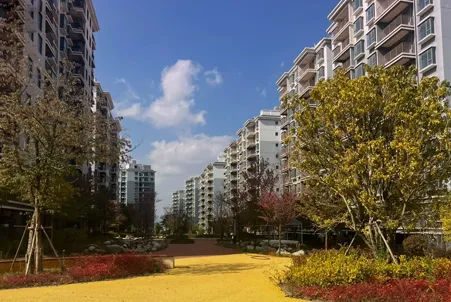
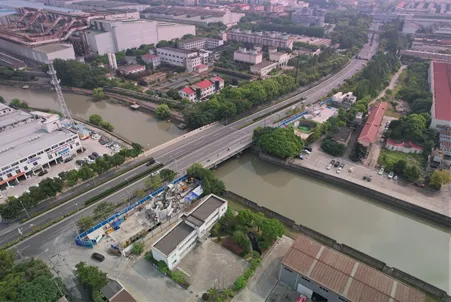
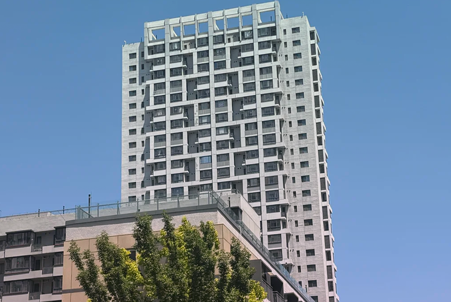
Located in the Fentou area of Chaoyang District, Beijing, the Coking Plant Public Housing project is among the first batch of Class I high-rise ultra-low energy consumption buildings in China and the first prefabricated housing project in Beijing. Its exceptional waterproofing quality earned it both the Luban Prize and the Tien-yow Jeme Civil Engineering Prize for excellence in residential development. This key affordable housing and urban renewal project faced the dual challenge of “renovating aging structures + constructing to new high standards.” The site’s industrial history contributed to complex geological conditions and fluctuating groundwater levels, demanding high resistance to water penetration in the underground structures.
Solution
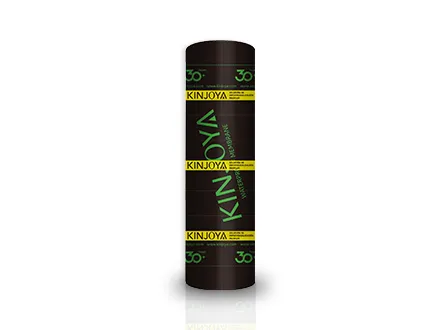
The roof and basement primarily used KINJOYA FM PLAIN SBS waterproofing membrane, while interior areas used KINJOYA PU series waterproofing coating. Strategies were tailored to different zones: 1. Underground: Double-layer KINJOYA FM PLAIN SBS membrane with 500mm-wide additional layers at corners and expansion waterstops plus double-layer reinforcement at post-casting strips. 2. Roof: For flat, sloped, and terrace roofs, either a “double-layer (3+4mm) KINJOYA FM PLAIN SBS membrane” or a “coating + membrane” composite system was used. 3. Interior: Wet areas used KINJOYA PU series coating (moisture-curing, 1.5mm thick), applied in three coats. Pipe bases were triple-sealed. A 300mm radius enhancement was applied around floor drains, and the wall waterproofing extended 1800mm high. Key process steps were documented with photos to ensure compliance with design standards, creating a safe and durable living environment for returning residents.
Outcomes
The waterproofing system has proven its reliability over years of service without any structural leaks. This performance has built a strong track record in joint treatment for prefabricated buildings and established an effective technical model for ultra-low energy building waterproofing. It has become a benchmark for waterproofing in old community renovations and affordable housing projects. Its success has attracted site visits from relevant departments in multiple regions seeking to adopt its best practices.