

General Inquiries

HDPE Waterproofing Membrane

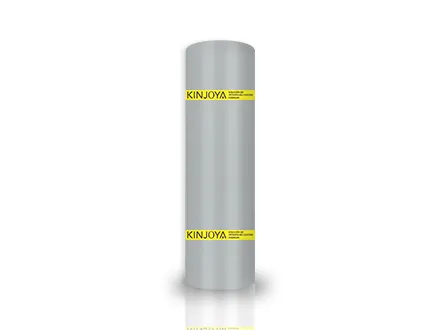
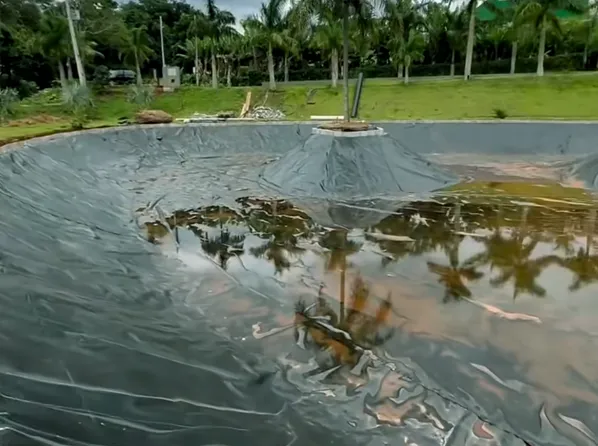
HDPE waterproofing membrane is made from high-density polyethylene resin with additives like antioxidants and UV stabilizers, produced via blow molding or calendering. It features extremely high tensile strength, puncture resistance, and chemical resistance against most acids, alkalis, and salts. With ultra-low permeability and non-toxicity, it suits potable water projects. Large sheet widths allow fast and reliable welding. Widely used in subway tunnels, landfills, artificial lakes, sewage plants, dams, and other demanding applications. We offer smooth, textured, and composite HDPE membranes, along with dedicated welding equipment and testing tools to ensure system integrity.

TYPES OF HDPE WATERPROOFING MEMBRANES

KIN FLAGO DR
HDPE sheet with one side coated with a polymer self-adhesive layer and protective anti-adhesion particles. Bonds with cast-in-place concrete through cross-linking and physical adsorption, forming a fully adhered waterproof layer on the concrete structure.
View Product

Durability Advantages of HDPE Waterproofing Membrane

Chemical Stability in Harsh Environments

Firstly, HDPE material itself possesses extremely high chemical stability. It effectively resists corrosion from various chemical media such as acids, alkalis, and salts. Even when buried long-term in damp or aggressive soil environments, its physical properties do not degrade significantly. This inertness ensures the waterproofing layer does not fail due to environmental factors throughout the building's lifecycle, providing lasting and reliable protection for the structure.

UV Resistance & Anti-Aging Properties

Secondly, HDPE waterproofing membrane boasts excellent UV resistance and anti-aging properties. During installation or in partially exposed working conditions, it can withstand damage from direct sunlight, slowing down the material's aging process. Additionally, special antioxidants and carbon black are incorporated into its formulation, allowing it to maintain good flexibility and mechanical strength when facing harsh climatic conditions like temperature fluctuations and freeze-thaw cycles, making it resistant to embrittlement or cracking.

Chemical Stability in Harsh Environments
UV Resistance & Anti-Aging Properties

Construction Convenience of HDPE Waterproofing Membrane

Moisture-Tolerant Installation

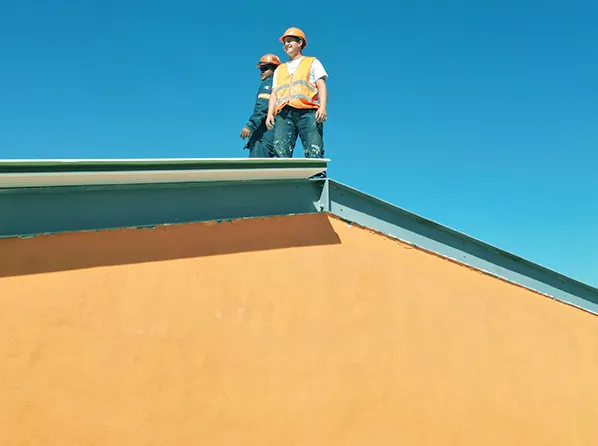
On one hand, HDPE waterproofing membrane is typically installed using flexible methods such as loose-laying or mechanical fastening, which significantly reduces the requirements for substrate preparation. Even if the substrate is damp or not completely dry, it does not affect the construction progress, as the HDPE material itself is impermeable and unaffected by substrate moisture. This characteristic allows installation to proceed under relatively complex weather conditions, effectively shortening the overall project timeline and saving time and labor costs.

High-Strength Welded Seams

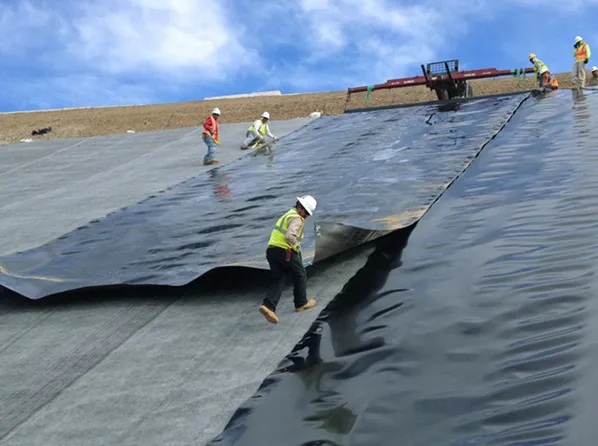
On the other hand, the connection technology for this membrane is mature and reliable, typically using hot-air welding to form a monolithic waterproofing layer. The strength of the welded seams exceeds that of the parent material itself, achieving a true "skin-type" waterproofing effect and eliminating the risk of water migration. This high-strength welding connection method not only allows for fast construction but also ensures the quality of each seam is uniform and controllable through professional welding equipment, greatly enhancing the overall reliability of the waterproofing system.

Moisture-Tolerant Installation
High-Strength Welded Seams

Environmental Characteristics of HDPE Waterproofing Membrane

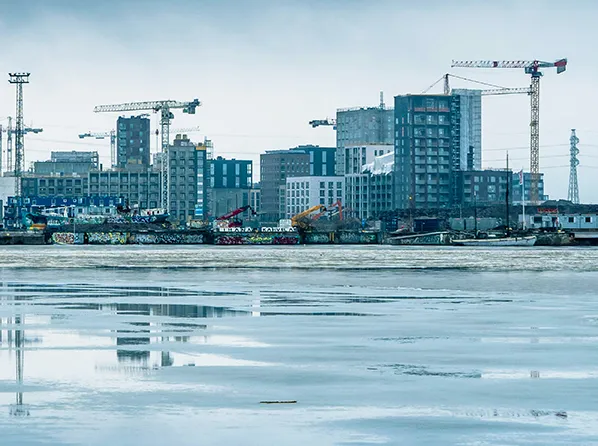
HDPE waterproofing membrane is recognized as a green and environmentally friendly building material. Its raw materials are non-toxic and harmless, and the installation process requires no solvent-based primers or open flames, avoiding harmful gas emissions and fire hazards. Furthermore, the HDPE material itself is recyclable. After building demolition or renovation, the discarded membrane can be recycled and processed into other plastic products, aligning with the circular economy concept and effectively reducing the environmental pressure from construction waste.
Environmental Characteristics of HDPE Waterproofing Membrane
Get in Touch with KINJOYA Now!
Address
KINJOYA Updates
News1
Apr 29, 2026
News2
Apr 29, 2026
News3
Apr 29, 2026
view more news
We use cookies on this site, including third party cookies, to delivery experiennce for you.
Accept Cookies
Read Privacy Policy