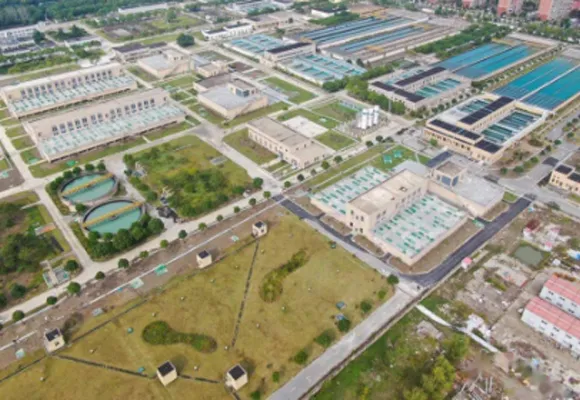
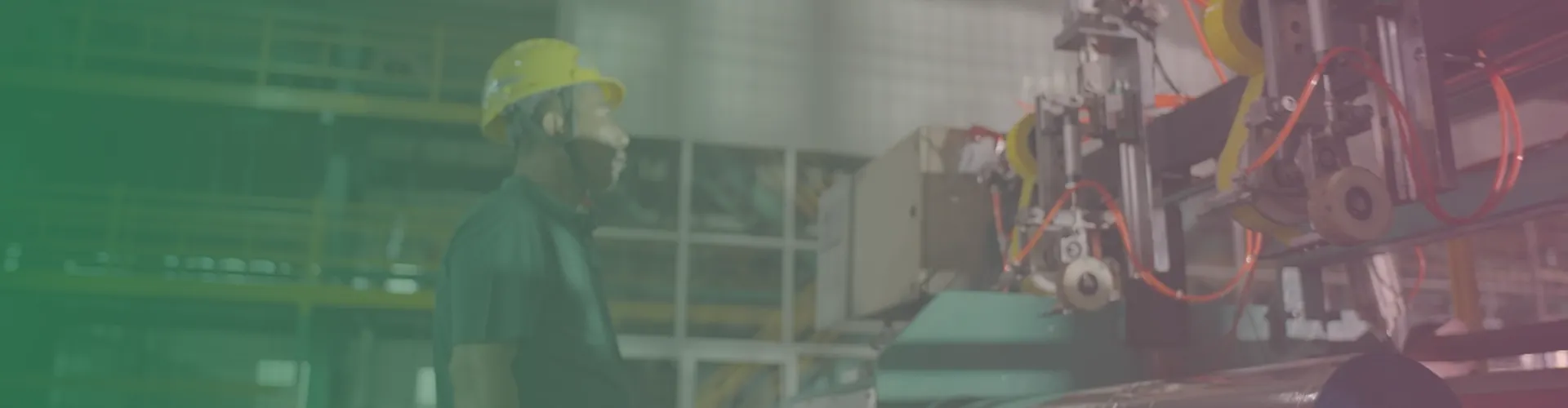
Industrial plant waterproofing concerns not only the durability of the building itself but also directly impacts production safety, equipment lifespan and corporate economic benefits. Once a plant leaks, water droplets may fall directly onto production lines, electrical cabinets or raw materials, causing equipment short circuits, product contamination or even production shutdown accidents. Precision instruments and control systems are highly sensitive to moisture, and long-term high-humidity environments can lead to frequent malfunctions, affecting process stability and product quality.
Reliable waterproofing systems prevent unplanned downtime caused by leakage, ensuring order delivery schedules are maintained and protecting the company's bottom line. Plant roofs often face challenges such as large spans, dramatic temperature fluctuations and frequent mechanical vibration from equipment operation, which ordinary residential waterproofing materials cannot handle. For example, color steel sheet roofs are prone to developing gaps at joints due to repeated thermal expansion and contraction, requiring professional materials with excellent elasticity and fatigue resistance to maintain long-term integrity. Additionally, some workshops have special environmental conditions such as high temperatures or corrosive gases, demanding waterproofing materials with chemical resistance and long-term stability to withstand these aggressive exposures without degradation.