

General Inquiries

ROOFS WATERPROOFING

As the uppermost protective layer of a building, the roof is constantly exposed to the natural environment, enduring sunlight, rain, snow, ice, wind, and sand erosion. Therefore, a roof waterproofing system is crucial for ensuring a dry interior, structural safety, and extended building lifespan. Different roof types—such as flat, pitched, metal, and green roofs—have distinct structural characteristics and stress conditions, requiring tailored waterproofing materials and construction techniques. Selecting the appropriate waterproofing solution not only effectively prevents water penetration but also enhances energy efficiency and living comfort. It is an indispensable part of modern architectural design. Through careful planning and professional execution, the waterproofing layer can remain stable over the long term, providing durable protection for the building.

TYPES OF ROOFS WATERPROOFING

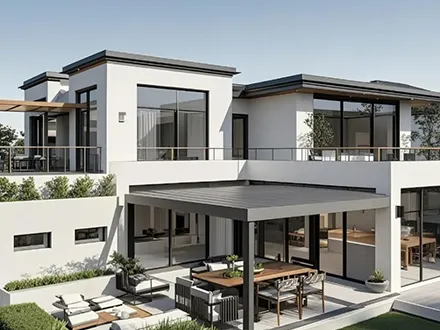
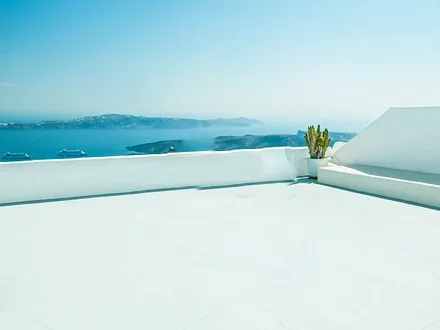
Flat Roof Waterproofing
Designed for flat roofs with low drainage slopes prone to ponding. Provides high impermeability and aging resistance, ensuring long-term leak-free protection for residential and commercial buildings.
View Product
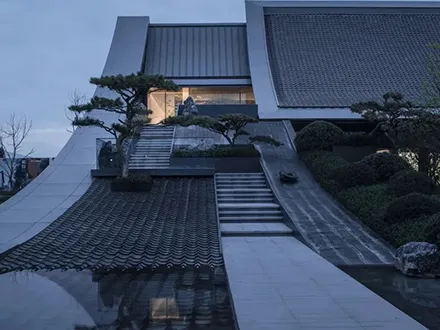
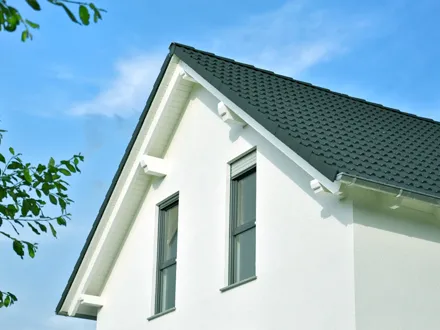
Pitched Roof Waterproofing
Tailored for complex pitched roof details and aesthetic needs. Balances waterproofing performance with architectural style, ensuring efficient drainage and sealed joints for villas and sloped structures.
View Product
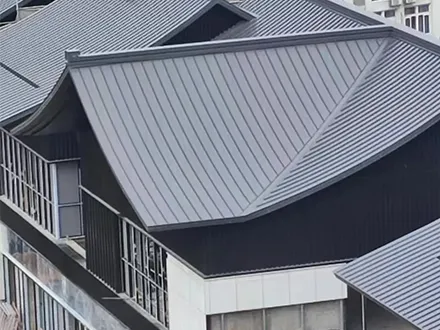
Metal Roof Waterproofing
Addresses thermal movement and numerous seams in metal roofs. Uses high-elasticity, weather-resistant materials to adapt to deformation and seal joints, providing durable protection for industrial plants and stadiums.
View Product
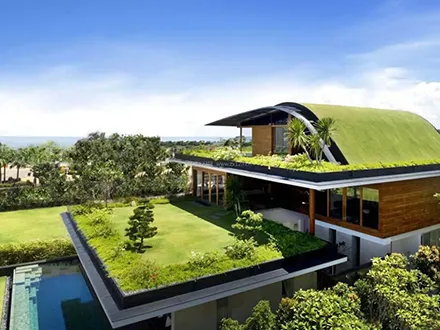
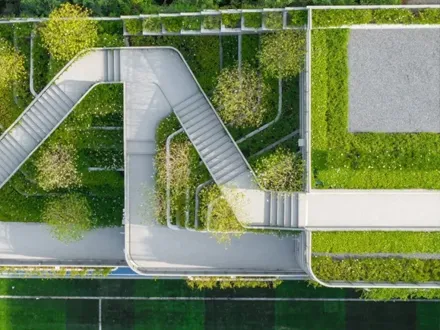
Green Roof Waterproofing
Designed for moist environments and root penetration challenges. Offers excellent root resistance and corrosion protection, ideal for rooftop gardens and ecological projects promoting sustainable development.
View Product

What Are the Core Differences in Waterproofing Design Between Flat and Pitched Roofs?

Due to their different structural forms, flat and pitched roofs have distinct waterproofing design philosophies. Flat roofs focus on solving ponding issues, emphasizing the integrity and impermeability of the waterproofing layer. Pitched roofs prioritize rapid drainage, requiring meticulous attention to detail joints to ensure synergy between the tiling and the waterproofing membrane.

Flat Roofs: Focus on Impermeability and Integrity

Flat roofs have low slopes (typically under 10%), leading to prolonged water retention and ponding. Therefore, waterproofing design prioritizes high material impermeability and a continuous, integral membrane. Even minor cracks or joint defects can become leakage paths under prolonged water immersion. Construction must ensure full adhesion or reliable mechanical fastening, with reinforced detailing at penetrations like drains and pipes, creating a seamless waterproof shell to resist hydrostatic pressure effectively.

Pitched Roofs: Focus on Drainage and Detailing

Pitched roofs rely on their steep slope for rapid water shedding, minimizing ponding risks. However, their complex structure includes numerous details like ridges, eaves, gutters, and tile overlaps. The waterproofing strategy emphasizes "combining drainage with sealing." This involves ensuring clear water flow through proper roof and gutter design, while installing a flexible waterproofing membrane beneath the tiles as a secondary barrier. All details must be meticulously sealed to prevent wind-driven rain ingress or seepage through overlaps.

Flat Roofs: Focus on Impermeability and Integrity
Pitched Roofs: Focus on Drainage and Detailing

Key Factors to Consider When Selecting a Roof Waterproofing Solution

Selecting the right roof waterproofing solution is key to long-term building performance and requires a comprehensive evaluation of multiple factors. The primary consideration is roof type, slope, and function—for example, green or high-traffic roofs need membranes with strong root and wear resistance, while complex, steep roofs require flexible materials for detailing. Climate is also critical: rainfall, temperature extremes, UV exposure, and freeze-thaw cycles directly affect material durability. The building's structure and expected movement matter too; large-span steel structures, for instance, require systems that accommodate deformation. Finally, practical factors such as ease of installation, maintenance, and life-cycle cost should be weighed—not just the initial material price. A sound waterproofing solution balances all these elements to provide reliable, lasting protection.

Key Factors to Consider When Selecting a Roof Waterproofing Solution

The Essential Role of a Protective Layer for Roof Waterproofing Membranes

The waterproofing membrane is the core of a roof system but remains vulnerable, necessitating a protective layer to ensure its long-term performance. This layer provides physical isolation against mechanical damage from construction or foot traffic, and shields against UV exposure, which can accelerate the aging of polymeric membranes. On accessible or green roofs, it also bears loads and prevents root penetration. Additionally, it helps distribute structural loads and buffer temperature fluctuations. Common types include mortar, concrete overlays, tiles, gravel, or vegetation. A well-chosen protective layer significantly extends the roof's service life and reduces maintenance costs.

The Essential Role of a Protective Layer for Roof Waterproofing Membranes
Get in Touch with KINJOYA Now!
Address
KINJOYA Updates
News1
Apr 29, 2026
News2
Apr 29, 2026
News3
Apr 29, 2026
view more news
We use cookies on this site, including third party cookies, to delivery experiennce for you.
Accept Cookies
Read Privacy Policy