

General Inquiries

Flat Roof Waterproofing

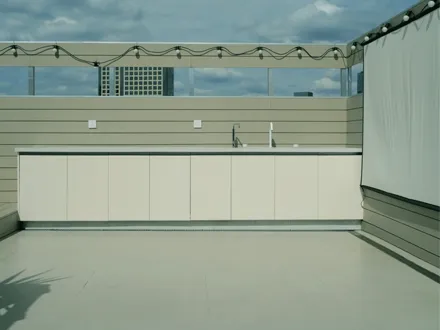
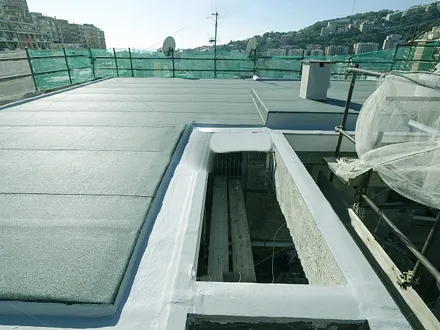
The drainage slope of flat roofs is small, causing rainwater to pond for extended periods. This standing water imposes high demands on the waterproofing layer's impermeability, aging resistance, and construction integrity. Any damage or improper joint sealing can lead to water infiltration, resulting in leaks, mold, or even structural damage. Therefore, flat roof waterproofing design must prioritize material continuity and reliability, employing systems with excellent impermeability and weather resistance while ensuring meticulous detail treatment. Suitable for flat roofs in residential, commercial, and industrial buildings, the goal is to achieve long-term leak-free protection and maintain building functionality.

FLAT ROOF WATERPROOFING PRODUCTS

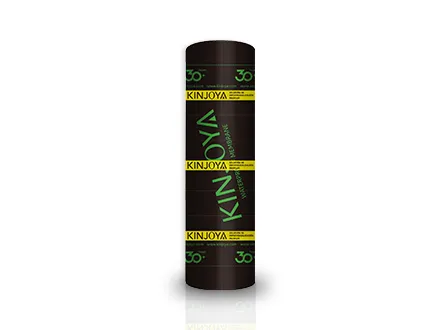
KINJOYA FA PLAIN
High-performance APP polymer-modified bituminous membrane with a smooth, dense surface. Delivers heat resistance, adhesive strength, low-temperature flexibility, and high mechanical strength from polyester reinforcement.
View Product
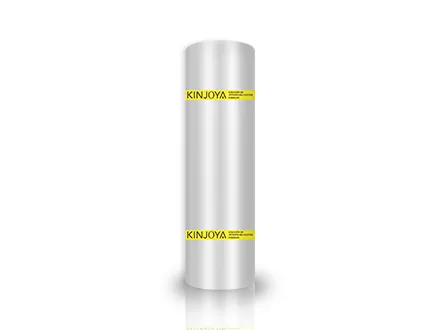
KINJOYA FM PLAIN
Flexible waterproof material made with SBS modified asphalt, using polyester, fiberglass, or reinforced felt as the base. High tensile strength, good elongation, and excellent low-temperature performance.
View Product
KIN TARPO DR
Polyester-reinforced, multi-layer synthetic roof membrane based on TPO. Combines EP rubber weather and heat resistance with polypropylene weldability. Suitable for metal, concrete, and plywood decks.
View Product
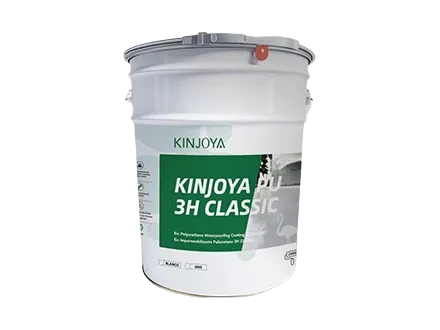
KINJOYA PU 3H CLASSIC
High solids, VOC-compliant, single-component, moisture-curing polyurethane membrane. Available in Flat substrate and Sagging Resistant viscosities for horizontal and vertical surfaces. Excellent tensile strength and elongation.
View Product

Core Elements of Flat Roof Waterproofing Design

Slope Design and Efficient Drainage

Flat roofs require a proper slope to ensure timely rainwater drainage, preventing prolonged ponding that stresses the waterproofing membrane. Even the best materials age faster under constant water immersion. Design should prioritize structural or screed slopes, ensuring the shortest and smoothest drainage paths with well-placed drains and gutters, fundamentally minimizing ponding risks.

Detail Joints and Stress Management

Flat roofs concentrate leak-prone areas, particularly at parapet bases, inside and outside corners, pipe penetrations, and expansion joints. These details experience stress concentration from structural movement or temperature changes, potentially cracking the membrane. Design must incorporate reinforced treatments at these points, such as additional layers or rounded chamfers, ensuring the waterproofing system remains intact and continuous under complex stress conditions.

Slope Design and Efficient Drainage
Detail Joints and Stress Management

Special Performance Requirements for Flat Roof Waterproofing Materials

Excellent Impermeability and Water Resistance

Flat roofs endure alternating wet-dry cycles and even standing water, demanding waterproofing materials with high impermeability ratings to remain watertight under hydrostatic pressure. Materials must also exhibit strong resistance to water erosion, avoiding hydrolysis, swelling, or performance degradation from prolonged moisture exposure, ensuring durability throughout the building's service life.

Good Substrate Conformability and Deformation Capacity

Flat roofs are exposed to drastic daily temperature fluctuations and seasonal changes, causing concrete or mortar substrates to expand, contract, and crack. Without sufficient flexibility and elongation, waterproofing materials cannot follow these minor substrate movements and may suffer brittle fracture. Therefore, materials must accommodate substrate deformation, maintaining membrane integrity even when cracks appear.

Excellent Impermeability and Water Resistance
Good Substrate Conformability and Deformation Capacity

Integrated Maintenance Strategy for Long-Lasting Flat Roof Waterproofing

Flat roof waterproofing systems require seasonal inspections before rainy seasons and after winter, focusing on drain blockages, surface blisters/cracks, and joint sealant integrity; promptly remove debris to prevent ponding and extend membrane life. Additionally, schedule professional inspections every 3-5 years using ponding tests or infrared thermography to detect hidden leaks, and perform timely localized repairs to prevent major issues. Maintain detailed records of all inspections and repairs for future reference.

Integrated Maintenance Strategy for Long-Lasting Flat Roof Waterproofing
Get in Touch with KINJOYA Now!
Address
KINJOYA Updates
News1
Apr 29, 2026
News2
Apr 29, 2026
News3
Apr 29, 2026
view more news
We use cookies on this site, including third party cookies, to delivery experiennce for you.
Accept Cookies
Read Privacy Policy