TYPE | Cultural & Educational Facilities | LOCATION | Beijing |
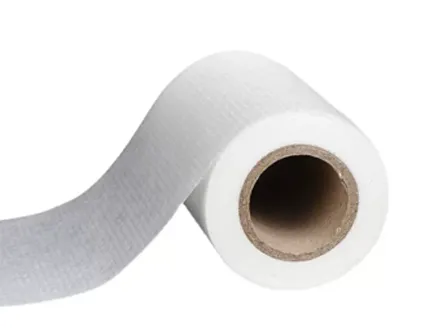
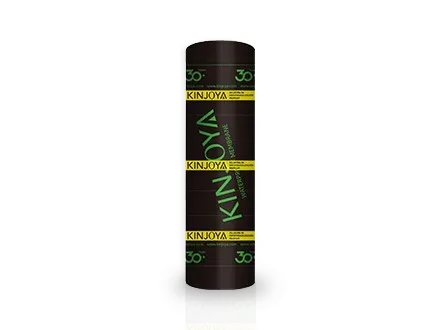
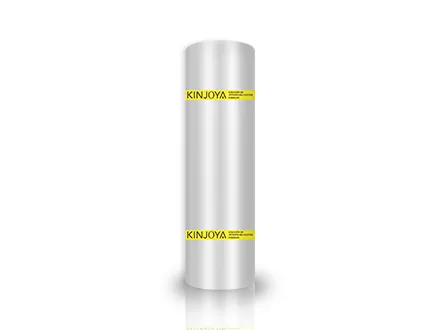
MATERIAL | KINJOYA FM PLAIN, KINJOYA PU SYSTERM | YEAR | 2017 |
AREA | 13000㎡ |
Background
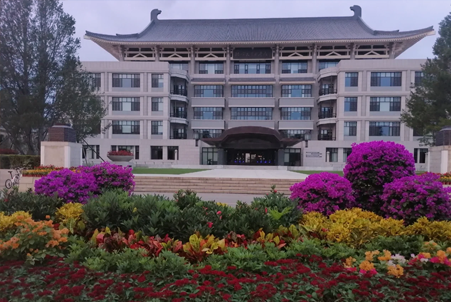
The King Abdulaziz Public Library, Peking University Branch, represents a significant outcome of Sino-Saudi cultural exchange, officially inaugurated during Saudi King Salman’s visit to China in 2017. Co-built by Peking University and Saudi partners, this facility serves as a landmark for cultural exchange, handling literature collection and academic research. Sharing the historic architecture of the Peking University Ancient Library, its interior houses precious ancient texts, demanding extremely high standards of temperature, humidity control, and moisture protection. The Peking University campus has a long history, with compact building layouts and complex surroundings. Construction needed to carefully protect existing structures and minimize disruption to normal academic activities. The unique construction and appearance requirements of the heritage-style building presented a dual challenge for the waterproofing system: meeting strict waterproofing standards while harmonizing with the building’s overall aesthetic.
Solution
The King Abdulaziz Library Peking University Branch is a heritage-style building with a traditional pitched roof. The roof waterproofing employed a double-layer SBS modified asphalt waterproofing membrane, combined with KINJOYA FM PLAIN membrane and PU series coating to form a composite system. For the pitched roof, the substrate was meticulously prepared to ensure flatness, dryness, and cleanliness before installing the double-layer KINJOYA FM PLAIN membrane, which offers excellent weather and puncture resistance for rain runoff and environmental exposure. At critical nodes like roof-wall junctions, eaves, and ridges, KINJOYA PU series coating was applied as an additional layer, leveraging its flexibility and adhesion for sealing. For walls, especially where timber structures meet masonry in heritage buildings, KINJOYA PU series coating was applied to form a continuous film barrier, effectively blocking rainwater penetration.
Outcomes
Conceived in 2006 and completed in 2017, the project spanned over a decade, involving leaders from both countries. It embodies the Sino-Saudi strategic partnership in the cultural field. King Salman personally attended the inauguration and received an honorary doctorate from Peking University, highlighting its diplomatic significance. Together with branches in Riyadh and Casablanca, it forms a key node in Saudi Arabia’s global cultural outreach network. As Saudi Arabia’s first public library branch established outside the Arab region, it symbolizes cultural cooperation promoted by high-level leaders from both nations, carrying the mission of spreading Arab culture and fostering mutual understanding, widely recognized as a significant achievement of cultural exchange under the Belt and Road Initiative.