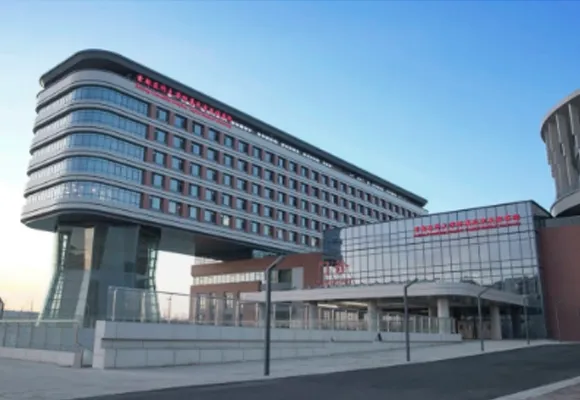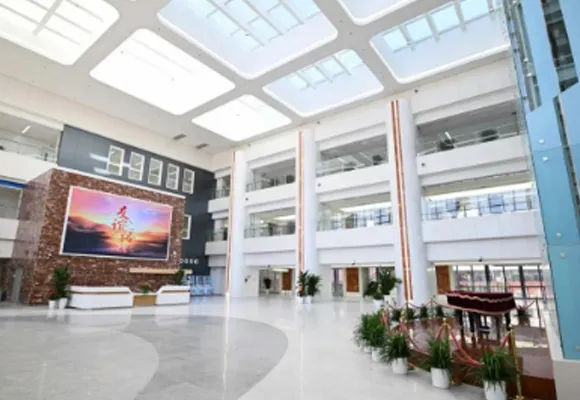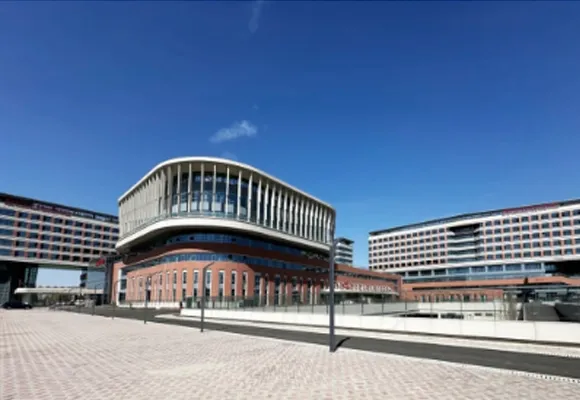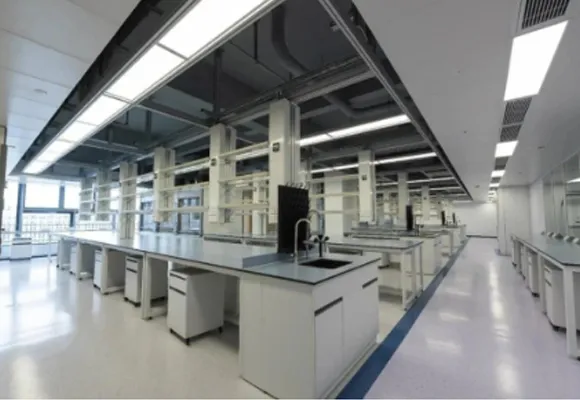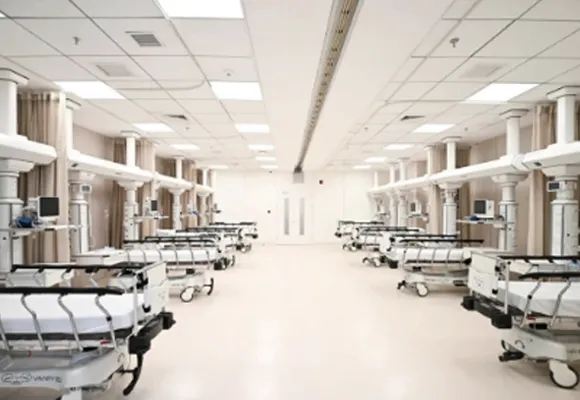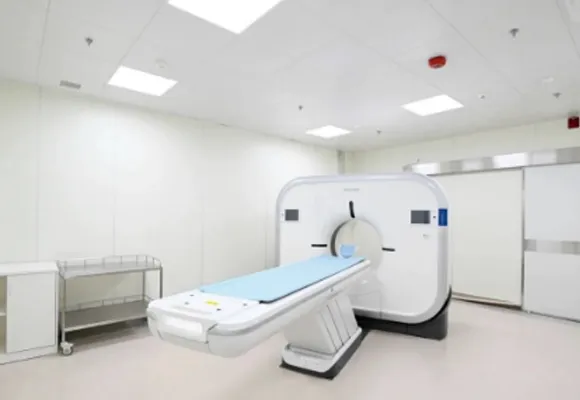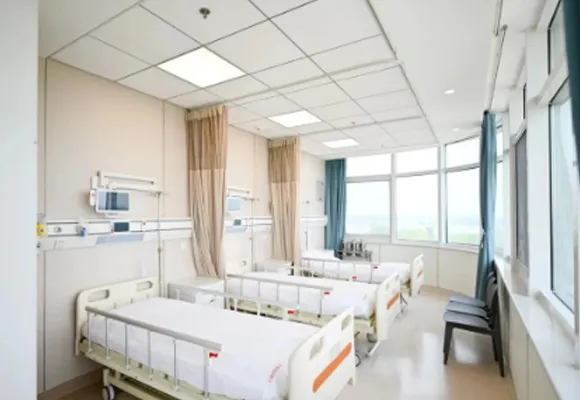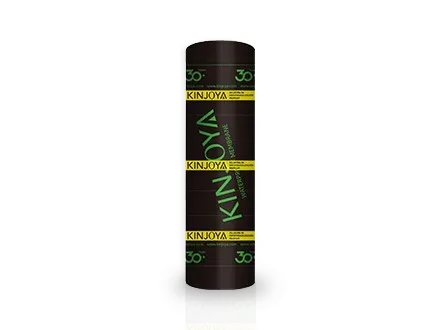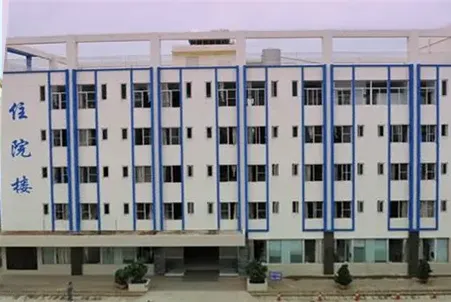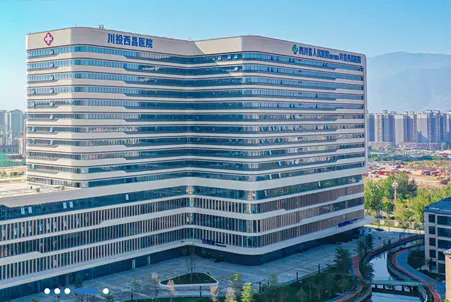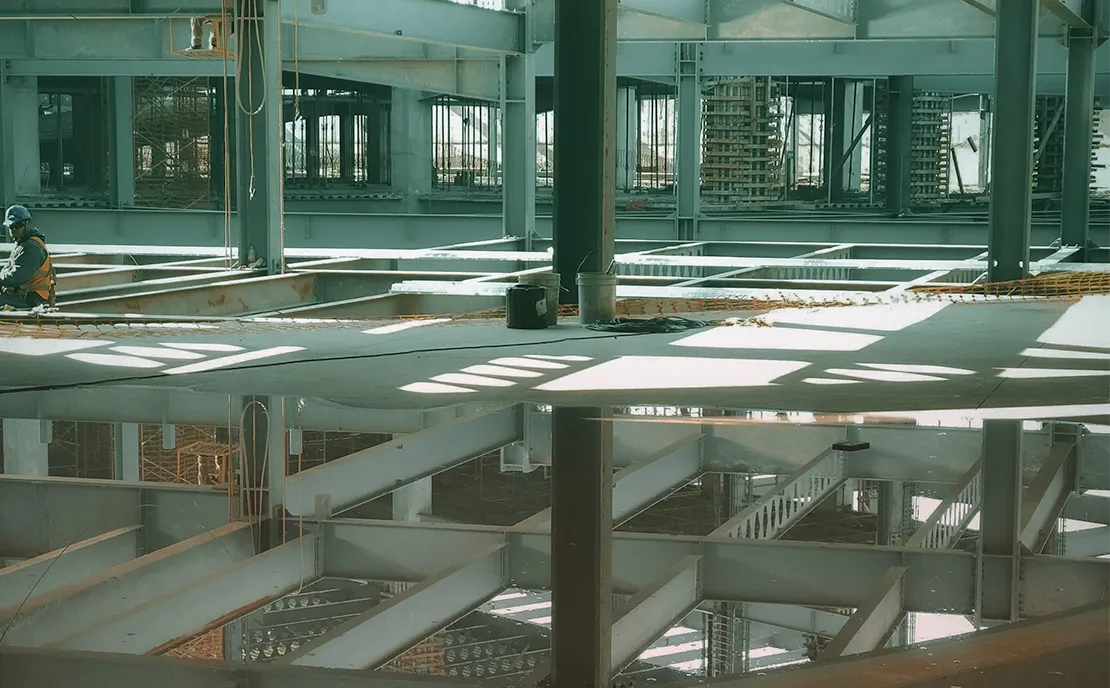
Hospital buildings demand exceptionally high standards for waterproofing, as this directly affects not only the safety and hygiene of the medical environment but also the stable operation of sophisticated equipment, making it a critical aspect of healthcare facility construction.
Waterproofing serves as the foundation for hospital safety and hygiene—areas such as consultation rooms and patient wards must be rigorously protected against moisture and corrosion to prevent bacterial growth caused by dampness, thereby providing patients with a safe and sanitary treatment environment. Underground areas and moisture-prone zones require particular attention to prevent water and corrosive substances from damaging facilities, ensuring the continuous delivery of medical services. Effective waterproofing is deeply integrated with hospital functionality. Good waterproofing not only protects the building structure and extends its service life but also reduces maintenance costs and improves hospital operational efficiency. Looking ahead, as technology advances, innovations in waterproofing materials and techniques will become even more closely aligned with serving healthcare facilities, creating safer and more comfortable environments for both patients and medical staff.