

General Inquiries

FOUNDATIONS WATERPROOFING

The foundation bears the entire load of a building and transfers it to the ground. Permanently buried underground, it is constantly affected by fluctuating groundwater levels, soil moisture, capillary water, and chemical erosion from groundwater. Improper foundation waterproofing can lead to water ingress, causing reinforcement corrosion, concrete deterioration, dampness and mold in basements, and even uneven settlement, severely threatening structural safety and service life. Thus, foundation waterproofing is a critical concealed project in construction. Systematic measures must be applied to different parts—exterior walls, interior walls, and slabs—to establish a complete and reliable waterproofing system, ensuring the building remains “deep-rooted and leak-free.”

FOUNDATIONS WATERPROOFING PRODUCTS

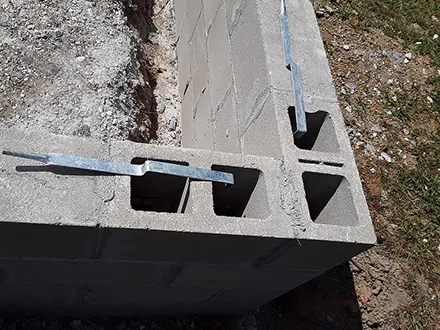
Exterior Foundation Waterproofing
Targets exterior walls subjected to groundwater and soil chemicals. Provides a high-strength, impermeable barrier that effectively prevents moisture ingress into basements and underground structures.
View Product
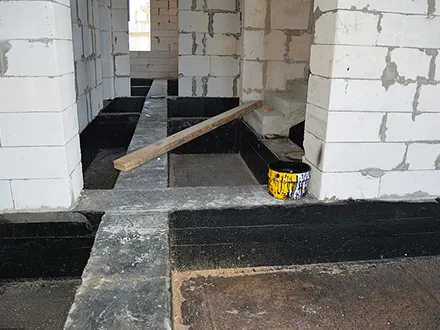
Interior Foundation Waterproofing
Addresses dampness on basement interior walls. Employs eco-friendly, easy-to-apply materials to prevent moisture and mold from capillary action or condensation, enhancing indoor environmental quality.
View Product
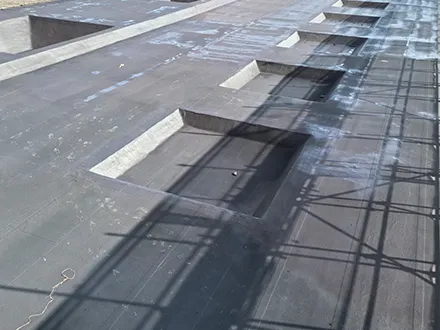
Slab Foundation Waterproofing
Focuses on walls connecting slab to superstructure. Uses flexible, crack-resistant materials to accommodate movement and ensure seamless integration, creating a continuous waterproof envelope.
View Product
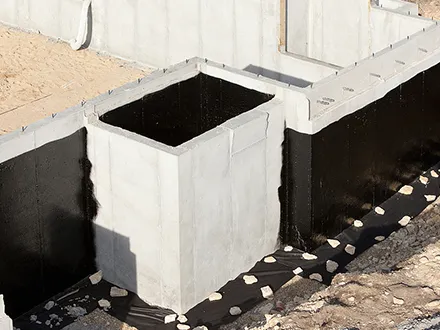
Foundation Wall Waterproofing
Critical for load-bearing slabs under groundwater pressure. Delivers compressive strength and impermeability, ensuring structural safety and dryness for high-rise basements and underground facilities.
View Product

Why Foundation Waterproofing Is the Most Critical Part of Building Waterproofing?

The foundation serves as the root of a building, permanently buried underground and subjected to groundwater pressure, soil moisture, and chemical erosion. Should leakage occur in the foundation, it will not only cause dampness, mold growth, and equipment damage in basements, but may also lead to reinforcement corrosion, concrete deterioration, and even compromise structural safety. Foundation waterproofing is a concealed project with extremely difficult and costly post-construction repairs, making it essential to prioritize during design and construction phases.

Fundamental Guarantee of Structural Safety and Durability

Foundations have long-term contact with groundwater and corrosive agents in soil such as sulfates and chlorides. Water infiltrates through concrete capillaries, reaching reinforcement surfaces and triggering corrosion. The resulting expansion from corrosion products causes concrete cracking and spalling, reducing load-bearing capacity. In freeze-thaw regions, infiltrated water expands upon freezing, exacerbating concrete damage. Reliable waterproofing systems isolate harmful substances, protect foundation structural integrity, and ensure buildings achieve their design service life.

Basic Prerequisite for Underground Space Functionality

Modern buildings extensively develop underground spaces for parking garages, equipment rooms, storage areas, and even commercial spaces. Foundation leakage causes damp walls and floors along with mold growth, severely impacting indoor environmental quality and equipment operation safety. Under significant groundwater pressure, leakage may develop into water inflow, directly flooding basements and causing enormous economic losses. Comprehensive waterproofing systems serve as the basic prerequisite for normal utilization and commercial value realization of underground spaces.

Fundamental Guarantee of Structural Safety and Durability
Basic Prerequisite for Underground Space Functionality

Critical Controls for Basement Floor Waterproofing

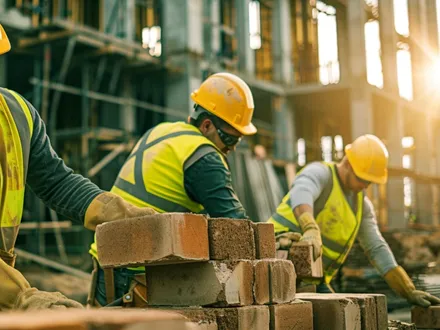
Proper substrate preparation is essential: the base slab must be smooth, compacted, and free of sharp debris, with all corners finished in a smooth arc. Critical nodes like pile heads, post-casting strips, drains, and penetrations require additional reinforcement layers and meticulous sealing. During membrane installation, maintain prescribed overlap widths and stagger all joints. Immediately apply a protective screed after waterproofing to prevent damage during rebar placement and concrete pouring. Finally, conduct a ponding test to verify system integrity before proceeding.

Critical Controls for Basement Floor Waterproofing

Groundwater Factors in Foundation Waterproofing

Site investigation must determine historical high, seasonal low, and fluctuation ranges as design references. When groundwater rises above the base, waterproofing must resist hydrostatic pressure—this dictates system grade, thickness, and construction details. Seasonal zones require materials resistant to wet-dry cycling without accelerated aging. Areas with rapid water level rise need anti-buoyancy measures; falling levels demand deformation capacity to accommodate settlement. Additionally, assess groundwater chemistry—corrosive conditions require chemically resistant materials to ensure long-term system performance and durability.

Groundwater Factors in Foundation Waterproofing
Get in Touch with KINJOYA Now!
Address
KINJOYA Updates
News1
Apr 29, 2026
News2
Apr 29, 2026
News3
Apr 29, 2026
view more news
We use cookies on this site, including third party cookies, to delivery experiennce for you.
Accept Cookies
Read Privacy Policy