

General Inquiries

Foundation Wall Waterproofing

Foundation walls refer to the exterior wall section between the slab and ground level, connecting superstructure and foundation. They experience complex stresses and are affected by both groundwater and soil moisture. Waterproofing here must withstand external water pressure, integrate with slab waterproofing, and accommodate potential wall cracking. Materials with good flexibility and crack resistance are needed to maintain integrity during minor structural movements. Special attention is required at penetrations and construction joints. Applied to foundation walls in all building types, this waterproofing is key to creating a continuous system from slab to superstructure.

FOUNDATION WALL WATERPROOFING PRODUCTS

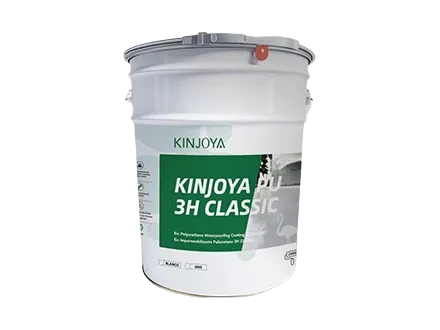
KINJOYA PU 3H CLASSIC
High solids, VOC-compliant, single-component, moisture-curing polyurethane membrane. Available in Flat substrate and Sagging Resistant viscosities for horizontal and vertical surfaces. Excellent tensile strength and elongation.
View Product

Core Elements of Foundation Wall Waterproofing Design

Vertical Continuity and Bottom Lapping

Foundation wall waterproofing must extend continuously upward from the slab waterproofing layer, forming complete vertical protection. Bottom laps with slab waterproofing require sufficient width and reliable sealing to avoid cold joints or weak points. The waterproofing layer on walls should extend above finished grade by specified height, preventing surface water backflow and capillary rise. Additionally, the transition between horizontal and vertical surfaces should be reinforced with extra membrane layers to accommodate stress concentration at this critical junction.

Horizontal Joints and Penetration Treatment

Foundation walls contain construction joints, expansion joints, and various pipe penetrations and anchors—areas of high leakage risk. Design requires specific reinforcement at these details, employing multiple protection measures such as additional layers, water stops, or sealants to maintain tightness during structural settlement and temperature changes. For pipe penetrations, specially prefabricated collars or booted seals should be installed to accommodate differential movement while maintaining watertight integrity.

Vertical Continuity and Bottom Lapping
Horizontal Joints and Penetration Treatment

Geological Impact on Foundation Wall Waterproofing

High Water Table and Soft Soil Layers

In areas with high groundwater levels, foundation walls bear greater hydrostatic pressure, requiring waterproofing layers with higher impermeability grades and water pressure resistance. Soft soils have high compressibility with significant foundation settlement, demanding waterproofing materials with excellent flexibility and deformation adaptability to avoid tearing from differential settlement. Additionally, dewatering measures require consideration during construction.

Corrosive Soils and Expansive Ground

Coastal areas or industrially polluted sites often contain corrosive agents such as chlorides and sulfates in soil, requiring waterproofing materials with good chemical resistance. Expansive soils swell with water and shrink upon drying, exerting repeated lateral pressure on foundation walls. Waterproofing systems must accommodate such cyclic deformation while maintaining long-term sealing integrity.

High Water Table and Soft Soil Layers
Corrosive Soils and Expansive Ground

Foundation Wall Waterproofing and Exterior Grade Drainage Systems

Foundation wall waterproofing and exterior drainage systems form an integrated underground protection network. Without proper surface drainage, rainwater accumulates at wall bases, increasing hydrostatic pressure and risking penetration at waterproofing terminations. Well-designed sloped aprons and open channels effectively divert surface water away from foundations. In high water table areas, footing drains or drainage boards collect groundwater and direct it to sumps for discharge. Waterproofing terminations must extend above finished grade, sealed with metal flashings or sealants to prevent backflow. This coordinated approach ensures both systems work together, preventing water-related structural damage and providing complete long-term protection.

Foundation Wall Waterproofing and Exterior Grade Drainage Systems
Get in Touch with KINJOYA Now!
Address
KINJOYA Updates
News1
Apr 29, 2026
News2
Apr 29, 2026
News3
Apr 29, 2026
view more news
We use cookies on this site, including third party cookies, to delivery experiennce for you.
Accept Cookies
Read Privacy Policy