
TYPE | Medical Facilities | LOCATION | Sichuan |
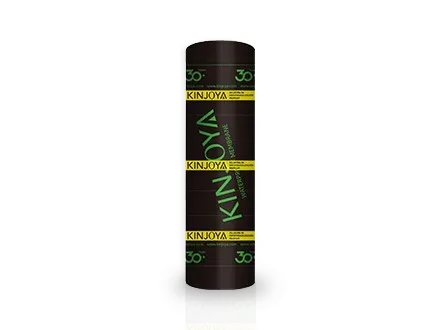
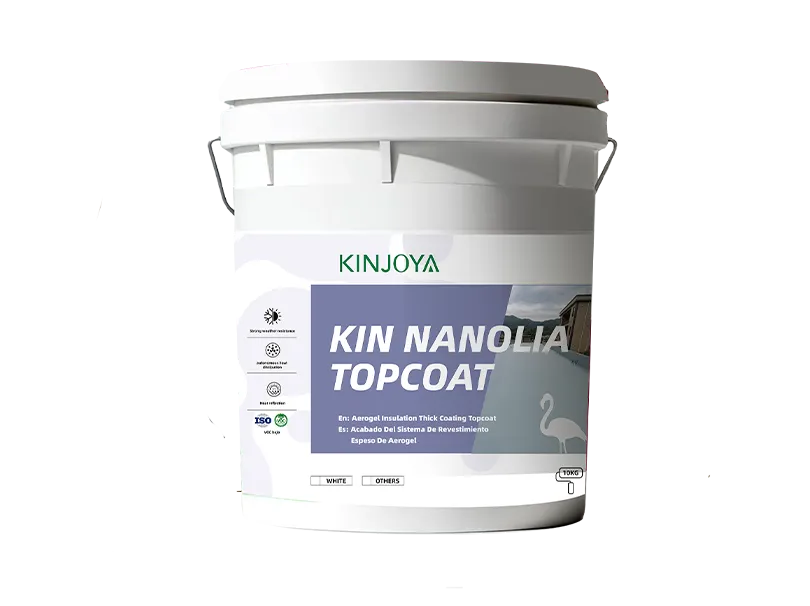
MATERIAL | KINJOYA FM PLAIN, KINJOYA PU SYSTERM | YEAR | 2020 |
AREA | 56000㎡ |
Background
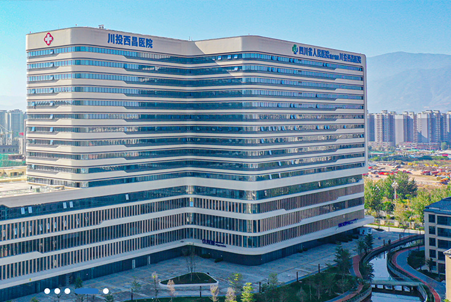
Located less than 200 meters from the Anninghe seismic fault zone in Xichang, Sichuan, this hospital is in a high-intensity seismic area (Intensity IX). Chuantou Xichang Hospital is the largest seismic isolation medical building in China, planned as a Grade A Tertiary comprehensive hospital with an international standard. Its mission is to provide high-quality care, preventing the need for patients to leave the prefecture for major treatment. The waterproofing project focused on systematic crack and leak prevention in a high-intensity seismic environment, using BIM technology and multiple defense measures for key areas like the basement, clean medical zones, and roof.
Solution
The roof utilized a double-layer SBS waterproofing membrane. The basement employed a composite system of SBS membrane and flexible coating, while interior areas used polyurethane coating. The roof design considered Xichang’s intense UV and temperature variations, using weather-resistant SBS modified asphalt membrane in a double layer. Shot-blasting was used for substrate preparation. The basement waterproofing combined structural self-waterproofing (P8 grade concrete) with an external flexible layer composed of a 1.5mm self-adhering membrane and 2.0mm non-curing rubber asphalt coating, offering high elongation and self-healing properties. For clean medical zones, environmentally friendly polyurethane coating was used for its seamless, easy-clean surface. Details like penetrations were reinforced with waterstops and sealants.
Outcomes
This project pioneered the integrated application of seismic isolation and waterproofing design in high-intensity medical buildings. A BIM platform was used to coordinate MEP and waterproofing details, minimizing on-site conflicts. Clean zones achieved synchronous construction of finishes, waterproofing, and cleanroom systems, improving efficiency. All wet areas passed water testing, and critical medical zones achieved “zero leakage” delivery.