TYPE | Cultural & Educational Facilities | LOCATION | Beijing |
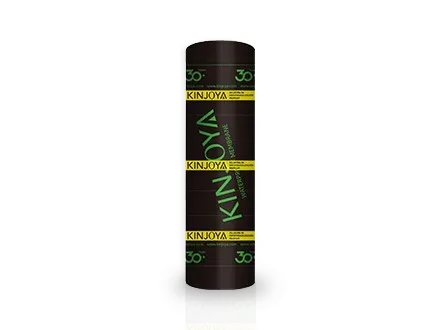
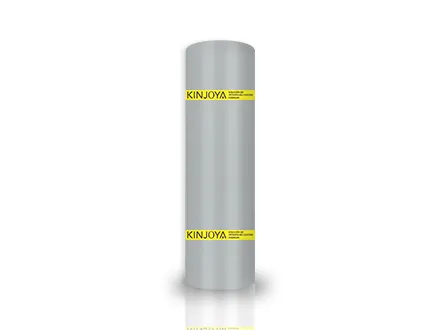
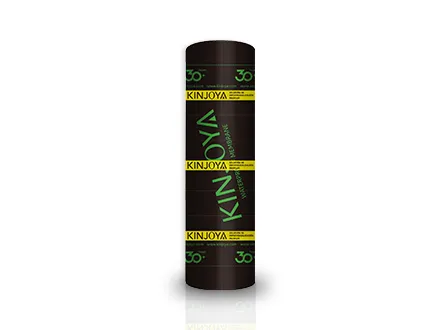
MATERIAL | KIN TARPO DR,KINJOYA FM PLAIN | YEAR | 2018 |
AREA | 35000㎡ |
Background
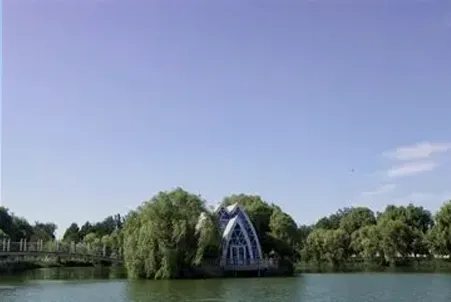
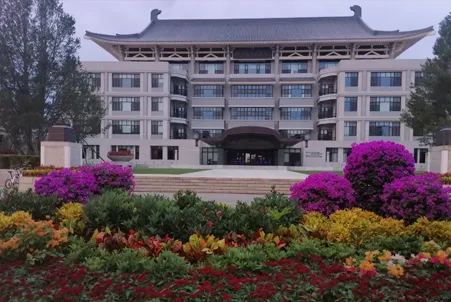
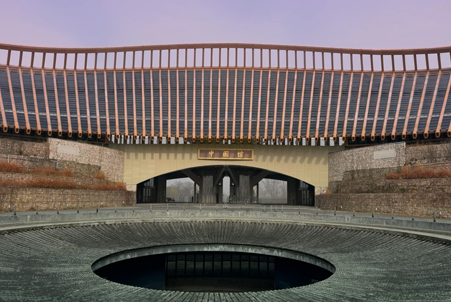
The China Pavilion of the 2019 Beijing International Horticultural Exhibition, located in Yanqing District, Beijing, was the core building and iconic venue of the Expo. Completed in January 2018 and opened in 2019, its architectural form resembles a traditional Chinese “Ruyi” (scepter) nestled among green hills and waters, incorporating terraced landscapes. As a model of green architecture, the China Pavilion required long-term waterproofing, leak prevention, and environmental safety under high visitor traffic, enclosed spaces, and complex climatic conditions. Its structure includes large-span roofs, underground retention basins, and permeable interior paving systems, presenting multiple challenges.
Solution
The roof renovation used KIN TARPO DR TPO waterproofing membrane, while the underground sections employed KINJOYA FM PLAIN SBS waterproofing membrane. For the roof, which featured 12 curved transitions and 36 irregular skylight nodes due to the “Ruyi” shape, a combination of mechanical fastening and hot-air welding was used. Eight fasteners per square meter were installed in curved areas to ensure tight adhesion to the substrate. A triple sealing system of “TPO membrane + metal batten + sealant” was applied around skylights, with membrane terminations embedded into concrete grooves filled with elastic sealant. The underground retention basin, central to the rainwater harvesting system, utilized FM PLAIN SBS membrane. The concrete substrate was prepared via shot-blasting. Additional 500mm-wide reinforcement layers were added at internal and external corners. Seam overlaps were a minimum of 100mm, and a continuous waterproof layer was formed using hot-melt full adhesion. Waterstop strips were installed at the junction of the basin floor and walls to accommodate structural settlement.
Outcomes
Through effective measures, rainwater harvesting efficiency was significantly improved, supporting ecological irrigation for the terraced landscape and embodying the principles of the “Sponge City” concept. By innovatively integrating green building and ecological waterproofing technologies, this project established a benchmark demonstration project. Its unique design concept and outstanding implementation garnered significant attention and high praise within the industry, becoming a model for peers to learn from.